The Book of St. Cyprian: origins, editions and its place in Brazilian and Iberian folk magic

Chaos Society
Acervo de estudo · magia, ocultismo e esoterismo
The book nobody admits to owning
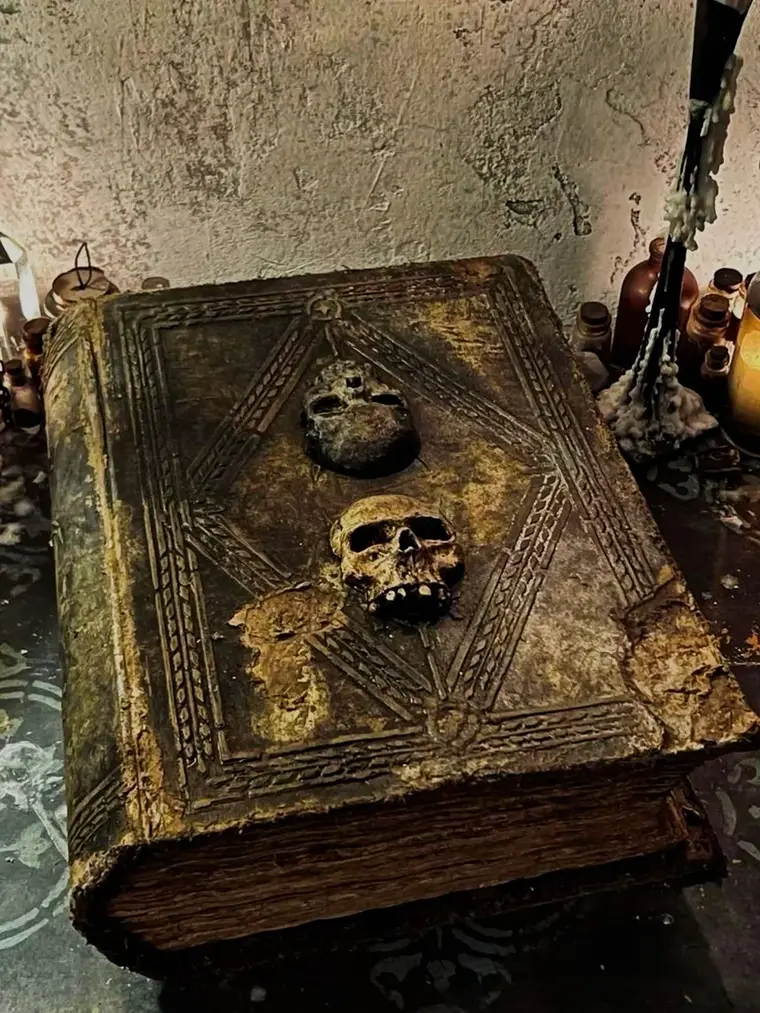
In Brazil, Portugal and Galicia, the Book of St. Cyprian is the grimoire par excellence. Generations grew up hearing that whoever reads it to the end goes mad, that it must be hidden and that it brings misfortune to the house that keeps it. At the same time, it has always been on sale at newsstands, street markets and religious supply shops. That mix of fear and popularity is the best definition of the book.
Cyprian, the sorcerer who became a saint
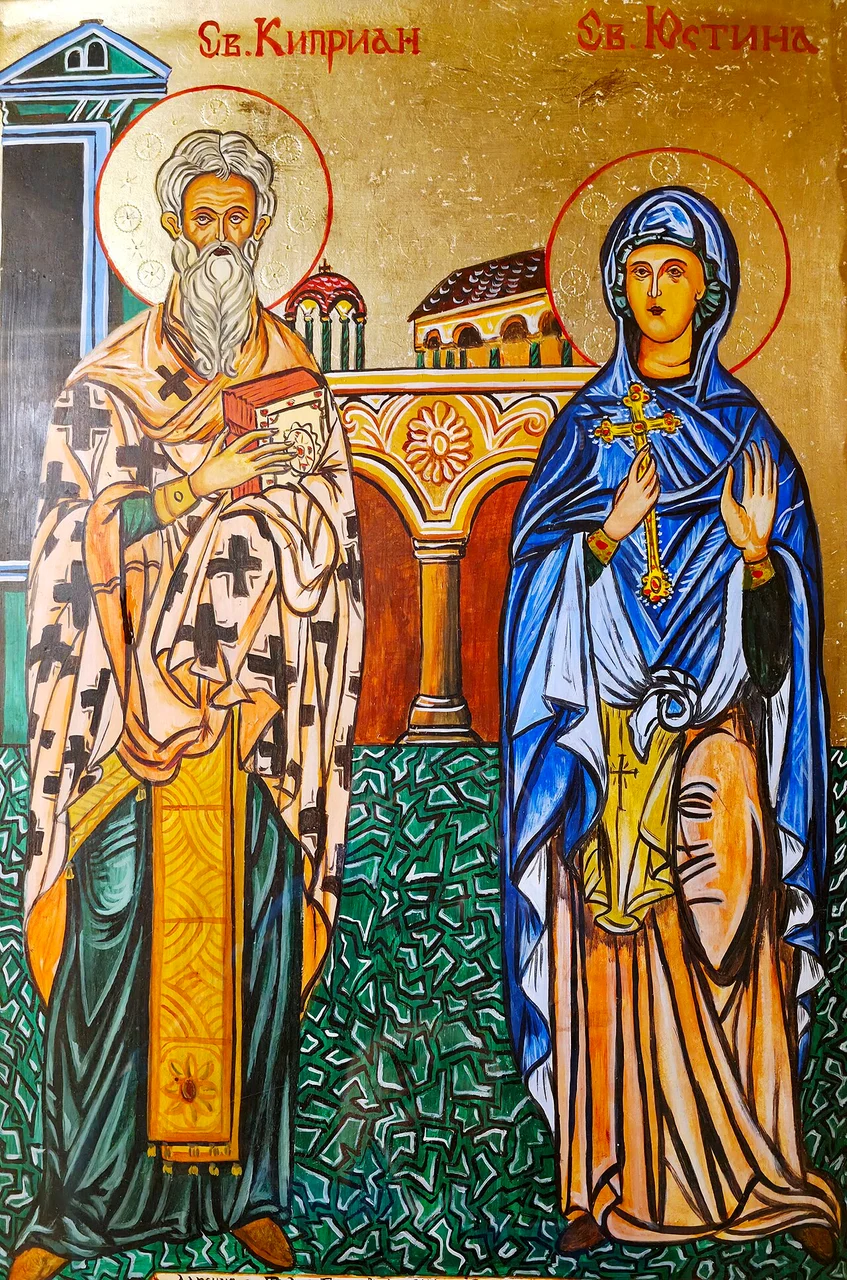
The legend dates from late antiquity. Cyprian of Antioch was a pagan sorcerer who, at the request of a young man in love, tried to bewitch the young Christian Justina. The demons he sent failed before the sign of the cross. Cyprian realised there was a greater power, burned his books, converted, became a bishop and died a martyr alongside Justina. The Confession of Cyprian, a Greek text, tells in the first person of his magical training in Egypt, Chaldea and Greece.
Already in antiquity the story became confused with that of Cyprian of Carthage, a real 3rd-century bishop, and the poet Prudentius blends the two. The result is a saint who knows sorcery from personal experience: the perfect figure to sign a book of magic.
The Iberian grimoire
Magic manuscripts attributed to Cyprian circulated in the Iberian Peninsula from the start of the early modern period and turn up in Inquisition trials. The printed book behind today's editions appeared in Portugal in the 19th century under the title O Grande Livro de São Cipriano ou Tesouro do Feiticeiro, "The Great Book of St. Cyprian or the Sorcerer's Treasure". In Galicia, a Spanish-language version was known as the Ciprianillo.
One hallmark of this tradition is enchanted treasure: lists of places in Galicia and northern Portugal where gold was supposedly buried by the Moors, guarded by enchantments, along with the prayers to break them. José Leitão, who translated the Portuguese edition into English in 2014, shows how the book combines this treasure magic with exorcisms, prayers, love recipes, cartomancy and the life of the saint.
Arrival in the Americas
The book reached Brazil with the Portuguese editions and soon had versions of its own, the famous Capa Preta ("black cover") and Capa de Aço ("steel cover"). Each publisher put together its own selection of prayers, folk charms, recipes, love magic, protection against spells and cartomancy, adapted to popular Catholicism and, later, to the Afro-Brazilian religions. Similar editions circulated in the Spanish-speaking world, with the same air of a forbidden book.
The historian Laura de Mello e Souza shows that prayers, mandinga pouches and love spells were already circulating in colonial Brazil long before the printed book. The St. Cyprian gave shape and a name to a magic that already existed.
Why the fear
- The cover and the name. A saint who was once a sorcerer carries the ambiguity in the title itself.
- The pact content. Some editions include conjurations and pacts, which was enough to earn it a reputation as the devil's book.
- The Church and the police. For much of the 20th century, owning a St. Cyprian could earn you a sermon or suspicion, which only increased curiosity.
How to read it today
The Book of St. Cyprian is best read as a document of Iberian and Brazilian folk magic rather than as a manual. It shows what people asked for: love, money, health, protection and revenge. Some recipes use toxic ingredients or animals and should not be followed to the letter.
To understand the tradition the book belongs to, see the guide to grimoires, the guides to spiritual protection and magical herbs, and the article on rue, guinea hen weed and snake plant.
Sources and further reading
- Confession of Cyprian (Greek text, 4th–5th centuries)
- Prudentius, Peristephanon, hymn 13
- O Grande Livro de São Cipriano ou Tesouro do Feiticeiro (Portuguese editions, 19th century)
- José Leitão, The Book of St. Cyprian: The Sorcerer's Treasure (2014)
- Owen Davies, Grimoires: A History of Magic Books (2009)
- Laura de Mello e Souza, O Diabo e a Terra de Santa Cruz (1986)
Reviewed by the Chaos Society editorial team in November 2026.
Frequently asked questions
Who was St. Cyprian?
According to legend, a pagan sorcerer of Antioch who tried to bewitch the young Christian Justina, failed before her faith, converted, became a bishop and died a martyr. The story is mixed up with that of Cyprian of Carthage, a real 3rd-century bishop.
Is the Book of St. Cyprian ancient?
The name is ancient, but the books in circulation today come from 19th-century Portuguese and Spanish editions, reissued and expanded in Brazil and Latin America. There is no original text by Cyprian.
What is the Ciprianillo?
The name by which the Spanish-language version of the St. Cyprian grimoire was known in Galicia, famous for its lists of enchanted treasures and the prayers to break their enchantments.