Peppermint: magical uses, the myth of Minthe and what science says

Chaos Society
Acervo de estudo · magia, ocultismo e esoterismo
The plant of freshness
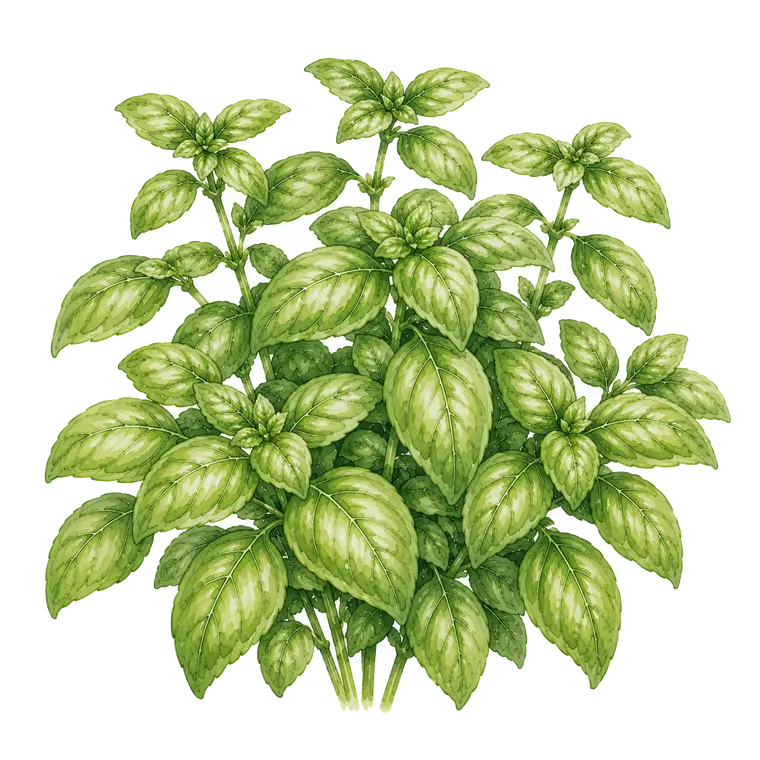
Peppermint (Mentha × piperita) is the mint of chewing gum, toothpaste and after-dinner tea. Botanically it is a hybrid of water mint (Mentha aquatica) and spearmint (Mentha spicata), described in England in the late 17th century. Its defining feature is its concentration of menthol, which gives the sensation of cold and of waking up.
In magic, that sensation became a correspondence: mint is a plant of clarity, cleansing and movement.
The myth of Minthe
The name of the genus comes from Minthe (or Menthe), a nymph of the underworld in Greek mythology. Loved by Hades, she was turned into a plant by a jealous Persephone. Ovid mentions the transformation in the Metamorphoses, and the geographer Strabo refers to a mountain near Pylos dedicated to her. Hades, one version says, gave the plant its scent as consolation: whoever treads on it smells the aroma.
The myth links mint with the borders between worlds, something some modern practitioners draw on in work with ancestors and the underworld. But the most widespread magical use does not come from there; it comes from the plant's sensory experience.
Correspondences in modern magic
Scott Cunningham, in his Encyclopedia of Magical Herbs (1985), associates peppermint with Mercury and lists uses for purification, healing, sleep, love and psychic powers. Other modern tables vary, but there is agreement on a few points:
- Mercury: communication, study, memory, travel and trade. It is a plant for mental clarity work.
- Purification: baths and floor washes to "freshen" heavy spaces.
- Prosperity: leaves in the wallet or the till, a very common practice.
These correspondences are modern tradition, not ancient inheritance. See how they are organised in the guides to magical correspondences and magical herbs.
How it is used
- Bath: a few fresh leaves in warm water, to wake up and cleanse. Good on Mercury's day, Wednesday; see the planetary hours.
- Tea before studying: pairing ritual with habit helps concentration.
- Cleansing water: leaves steeped in water to wash the floor or spray a room. For other methods, see cleansing rituals.
What science says
The best-studied medicinal use is peppermint oil in enteric-coated capsules for irritable bowel syndrome: systematic reviews found an improvement in symptoms compared with placebo. Menthol applied diluted to the forehead also eases tension headaches. The European Medicines Agency recognises these traditional uses with caution.
The idea that mint improves memory rests on small studies of its aroma, with modest results. It is fair to say it wakes you up; saying it boosts memory is an overstatement.
Precautions
- Do not apply peppermint oil to the face of babies and young children: menthol can cause breathing spasms.
- People with reflux may get worse with the tea or the oil.
- Undiluted essential oil irritates the skin and should not be swallowed without guidance.
- For cats, essential oils in a diffuser can be toxic.
Sources and further reading
- Ovid, Metamorphoses, book X
- Strabo, Geography, book VIII
- Scott Cunningham, Cunningham's Encyclopedia of Magical Herbs (1985)
- European Medicines Agency, monograph on Mentha × piperita (oil and leaf)
- Reviews of peppermint oil for irritable bowel syndrome (Cochrane and meta-analyses, 2008–2019)
Reviewed by the Chaos Society editorial team in November 2026.
Frequently asked questions
What is peppermint used for in magic?
In modern magic it is associated with Mercury, mental clarity, purification, study and prosperity. It is used in baths, teas, sachets and gentle smoke cleansing, mainly to clear spaces and sharpen attention.
Are spearmint and peppermint the same plant?
No. Peppermint (Mentha × piperita) is a hybrid of water mint and spearmint (Mentha spicata), with far more menthol. The garden mint most people grow is usually spearmint or another variety.
Who should not use peppermint oil?
Babies and young children should not have the oil near their face, because menthol can cause breathing spasms. People with reflux may get worse, and undiluted oil irritates the skin. If in doubt, ask a health professional.