Atheistic and theistic Satanism: differences, groups and feuds

Chaos Society
Acervo de estudo · magia, ocultismo e esoterismo
Two answers to the same question
The question that divides modern Satanism is simple: does Satan exist? For atheistic Satanists, no. Satan is a symbol, the rebel who says no to religion, guilt and herd morality. For theistic Satanists, yes: Satan or another dark entity is a real being with whom one can have a relationship. The two currents were born almost together and have been fighting ever since.
The scholars Asbjørn Dyrendal, James R. Lewis and Jesper Petersen, in The Invention of Satanism (2016), show that organised religious Satanism is practically a creation of the 1960s. Before that, "Satanist" was almost always an accusation, not an identity.
LaVey's atheistic Satanism
Anton Szandor LaVey founded the Church of Satan in San Francisco on Walpurgis Night 1966, 30 April. In 1969 he published The Satanic Bible, a book that mixes radical individualism, criticism of Christianity and theatrical ritual. For LaVey, the human being is an animal, indulgence is better than abstinence and ritual is an "intellectual decompression chamber": it works because it stirs the emotions, not because someone is on the other side.
The Church of Satan is still active and zealously defends its definition: for it, there is only one Satanism, LaVey's. Those who believe in a real Satan are, in the organisation's words, "devil worshippers" or inverted Christians.
The Satanic Temple
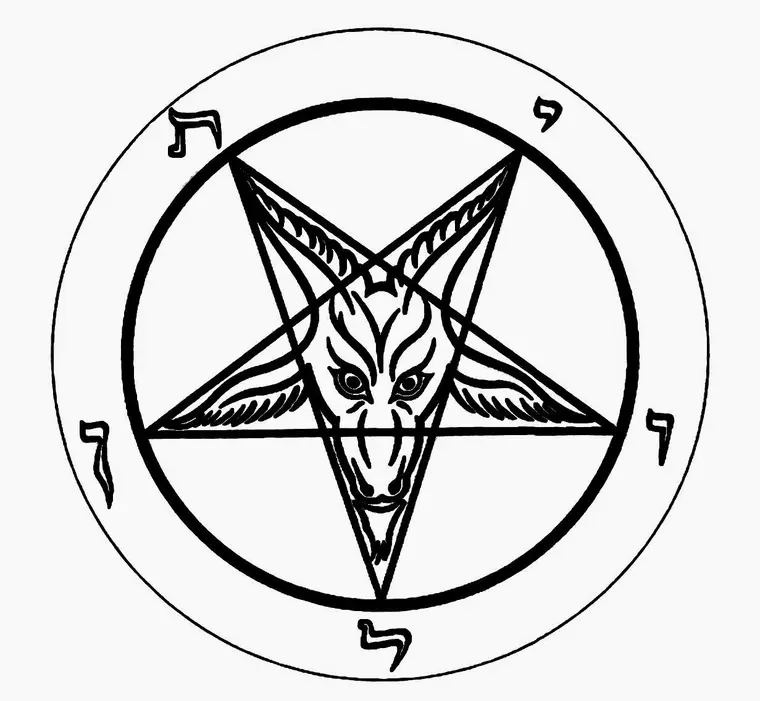
In 2013 The Satanic Temple appeared in the United States, also non-theistic but with a different proposal. Instead of LaVey's individualism, its seven tenets speak of compassion, reason and bodily autonomy. It became known for its political actions: requesting a Baphomet statue next to Ten Commandments monuments on public grounds and defending the separation of church and state in the courts. The Church of Satan regards it as a political movement in Satanic clothing.
Theistic Satanism
The first major split came in 1975, when Michael Aquino and other members left the Church of Satan and founded the Temple of Set. Aquino claimed the Prince of Darkness was real and identified him with Set, the Egyptian god. The Setian's goal is Xeper, "to come into being": developing an immortal individual consciousness. It is an initiatory current, with degrees and a great deal of study.
Outside the Temple of Set, theistic Satanism is scattered. There are organised groups, some of them born online from the 2000s onwards, and many solitary practitioners who work with Satan, Lucifer or the demons of the Goetia as entities. There are also extremist currents, which scholars and most Satanists treat as marginal and dangerous. Demonolatry, the respectful worship of demons as forces, is a close relative.
Why the feuds
- Authenticity. LaVeyans say Satanism begins in 1966 and that believing in Satan is Christianity turned upside down. Theists say a Satanism without Satan is just atheism in disguise.
- Politics. The Satanic Temple acts on public causes; the Church of Satan sees this as a distortion.
- Morality. LaVey's social Darwinism troubles both the initiatory theists and the humanism of The Satanic Temple.
What about Luciferianism?
Many people who work with Lucifer do not call themselves Satanists. Luciferianism tends to emphasise light, knowledge and self-deification rather than rebellion against Christianity. The detailed comparison is in Luciferianism and Satanism and in the guide to Luciferianism.
Sources and further reading
- Anton Szandor LaVey, The Satanic Bible (1969)
- Michael Aquino, The Church of Satan and The Temple of Set
- Asbjørn Dyrendal, James R. Lewis and Jesper Aa. Petersen, The Invention of Satanism (2016)
- Jesper Aa. Petersen (ed.), Contemporary Religious Satanism (2009)
- Ruben van Luijk, Children of Lucifer (2016)
Reviewed by the Chaos Society editorial team in November 2026.
Frequently asked questions
What is atheistic Satanism?
The current that does not believe in a real Satan. Satan is a symbol of pride, freedom and pleasure, and ritual works as psychodrama. It is the position of the Church of Satan, founded by Anton LaVey in 1966, and of The Satanic Temple.
What is theistic Satanism?
The current that treats Satan, or another entity such as Set, as a real being with whom one can have a relationship. It includes organised groups and many solitary practitioners, with very different doctrines.
Are Satanism and Luciferianism the same thing?
No. Luciferianism tends to emphasise light, knowledge and self-illumination, and many Luciferians reject the Satanist label. The boundaries, however, are debated within the currents themselves.